






What you wear sailing depends on the boat, the conditions and how wet you are likely to get. A summer afternoon aboard a cruising yacht calls for a different kit list from a dinghy lesson with the possibility of a capsize.
Start with the organiser’s instructions. Ask what is supplied, what is compulsory and what is unsuitable for that boat. You can usually make better buying decisions after a few sessions than before your first one.
First decide whether you are dressing for immersion
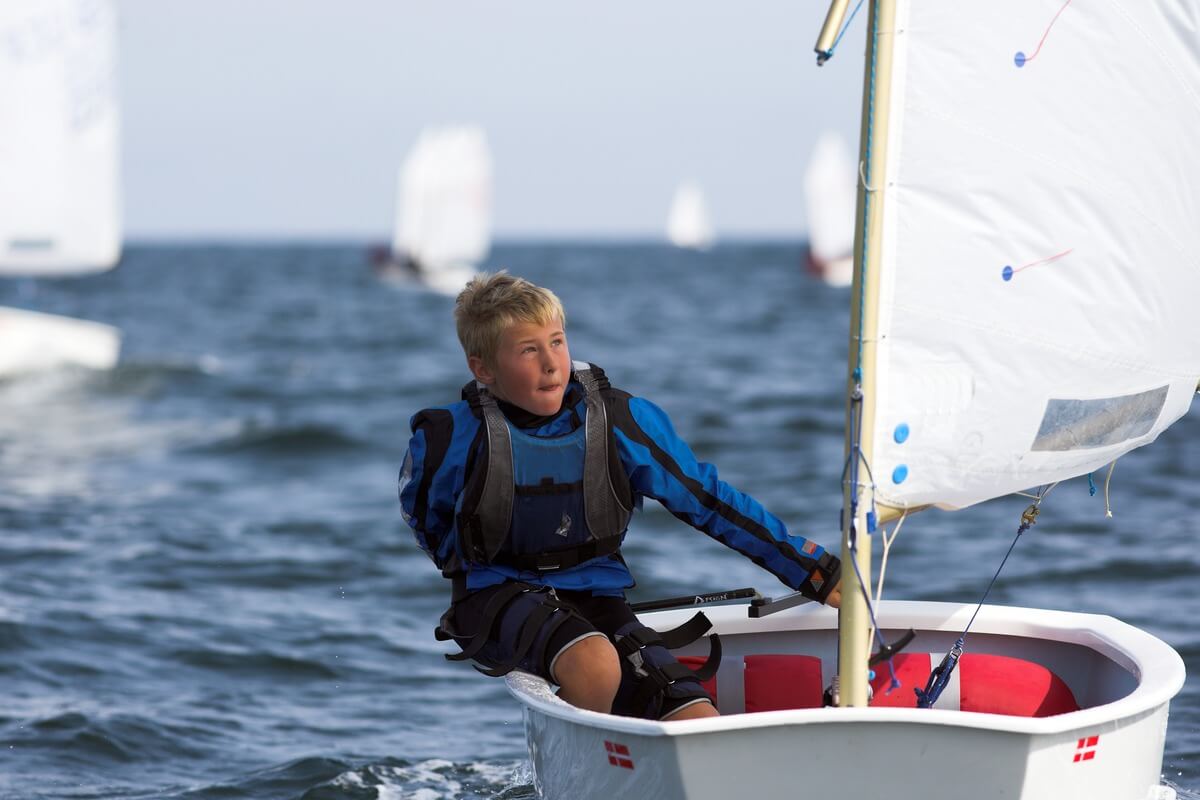
In a small dinghy, clothing may need to work when you are in the water as well as aboard. The centre should specify the appropriate wetsuit or other clothing for its sessions and conditions. Ordinary waterproof trousers and a coat do not provide the same protection as clothing selected for immersion.
On a cruising yacht, the usual challenge is staying comfortable in wind, rain and spray, with layers you can adjust. Keep those two situations separate when reading product descriptions. The RYA’s sailing clothing guide covers both and is a useful starting reference.

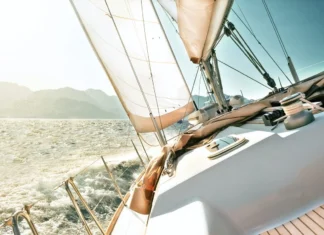
For a yacht, build a flexible set of layers
A useful approach is to bring a comfortable layer next to the skin, something warm over it and an outer layer suited to rain and spray. Choose pieces you can move in and add or remove without unpacking the whole bag. Check the forecast with the organiser, including the expected time afloat.
Try the combination at home: reach above your head, crouch and turn as though looking behind you. A jacket that fits over a T-shirt may feel restrictive over a fleece. Trousers that are comfortable ashore can become awkward when stepping over a cockpit seat.
Keep a dry spare layer separate from wet clothing. Do not use the bottom of a damp bag as your only plan for warming up later.
For a dinghy, follow the centre’s kit list
Ask whether a wetsuit is supplied, how sizing works and what to wear underneath it. Confirm footwear requirements and whether you need a towel, changing robe or a complete change of clothes. Find out where wet kit can be changed and stored.
If you already own watersports clothing, describe it rather than assuming it is suitable. Equipment bought for a short summer swim may not be appropriate for a longer sailing session in different conditions.
Get flotation equipment fitted properly
Ask who supplies the lifejacket or buoyancy aid and have it fitted and checked as directed. They are different types of equipment, not interchangeable names for the same item. The RNLI explains their different roles, including the limitations of buoyancy aids.
Do not change the fitting or wear extra clothing over equipment without checking with the instructor or skipper. If your own lifejacket has not been checked or serviced as required, say so before the session.
Choose footwear for the deck and the activity
Ask the venue about grip, soles and protection for toes. Footwear needs to stay secure and work with the boat’s surfaces. A yacht skipper may accept practical trainers for an introductory session, while dinghy sailing may require water-friendly shoes or boots.
There is little value in expensive footwear that fits badly. Try it with the socks or other layers you intend to use, and check that it does not make moving around awkward. Follow the venue’s advice rather than buying solely because a product is labelled “sailing”.
Remember hands, head and small essentials
Take a hat suited to the conditions, sun protection and a way to keep glasses secure if the organiser recommends one. Ask whether gloves would be useful for your session. Do not assume that gloves make it safe to put a hand near loaded ropes or moving fittings.
Bring drinking water and any personal items you need, keeping them accessible and protected. Tell the skipper where essential medication is stored if that forms part of your agreed arrangements.
Pack a small bag you can stow
Use the centre’s packing list and avoid taking more than you need. A spare outfit is useful only if it stays dry. Separate wet kit after the session and follow care instructions before storing it.
Before leaving home, check the meeting place, forecast, supplied equipment and the return time. If the kit you have does not match the conditions, contact the organiser. It is better to solve the gap ashore than to discover it once the boat has left.
For the wider preparation, read our coastal sailing safety guide and explore more beginner topics in the Sailing hub.
More guides to help you prepare
- Your First Sailing Lesson: What to Expect and How to Prepare
- What to Pack for a Sailing Holiday: A Practical Checklist
Further Reading