







A sailboat is made up of five main systems: the hull, the keel or centreboard, the rig, the sails, and the steering system. The hull keeps the boat afloat, the keel or centreboard helps stop sideways drift, the mast and rigging support the sails, the sails use wind for power, and the rudder steers the boat.
Once you understand these main parts, sailing becomes much easier to picture. The boat is not a mystery. It is a set of connected systems working together: structure, balance, power, control and safety.
This guide explains the most important parts of a sailboat, where they are, what they do, and which ones beginners should learn first.
For a wider introduction, read our guide to the basic principles of sailing.

Sailboat Parts at a Glance
| Part | Where it is | What it does |
|---|---|---|
| Hull | Main body of the boat | Provides buoyancy and structure |
| Bow | Front of the boat | Cuts through water and carries forward fittings |
| Stern | Rear of the boat | Houses steering area, transom and often boarding gear |
| Deck | Top working surface | Gives crew space to move and handle lines |
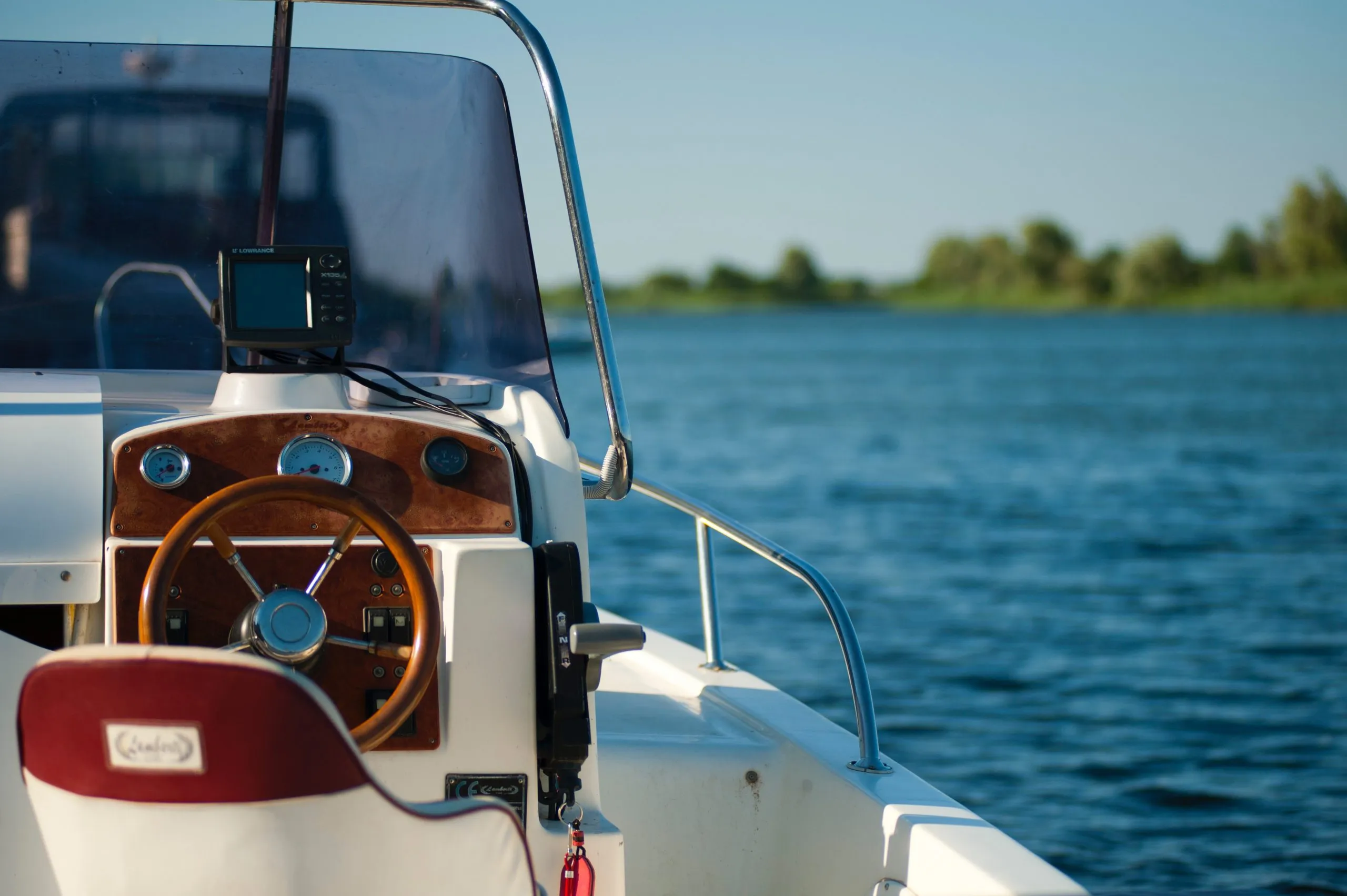
| Cockpit | Recessed crew area | Main control area for steering and sail handling |
| Keel | Under the hull | Adds stability and reduces sideways drift |
| Centreboard / daggerboard | Under smaller boats | Reduces sideways drift and can be raised |
| Mast | Vertical spar | Supports sails and rigging |
| Boom | Horizontal spar on mainsail | Holds and controls the foot of the mainsail |
| Mainsail | Behind the mast | Main driving sail |
| Jib / genoa | Forward of the mast | Headsail for power and balance |
| Spinnaker | Forward/downwind sail | Adds power when sailing downwind |
| Standing rigging | Fixed wires or rods | Supports the mast |
| Running rigging | Moveable lines | Raises, lowers and trims sails |
| Rudder | Under or behind the stern | Steers the boat |
| Tiller / wheel | Cockpit control | Turns the rudder |
| Winches | Cockpit/deck hardware | Help pull loaded lines |
| Cleats | Deck fittings | Secure lines |
| Stanchions and lifelines | Around deck edge | Help protect crew on deck |
| Anchor and ground tackle | Usually near bow | Holds the boat in place when anchored |
The Hull
The hull is the main body of the sailboat. It provides buoyancy, shape and structure. Everything else is built around it.
A hull must do several jobs at once:
- keep the boat afloat
- carry crew, equipment and fittings
- move efficiently through the water
- support the keel, rudder, mast and deck
- protect the inside of the boat from water
Hull shapes vary. A dinghy hull is usually light and open. A cruising yacht hull has more volume, storage and accommodation. A racing hull is shaped to reduce drag and improve speed.
Most beginners can think of the hull as the boat’s body. If the hull is the body, the keel is the underwater balance, the rig is the skeleton above deck, and the sails are the engine.

The Bow
The bow is the front of the sailboat. It is the part that meets the water first as the boat moves forward.
The bow helps the boat part the water, but it is also an important working area. On many sailboats, the bow may include:
- bow roller
- anchor
- anchor locker
- forestay attachment
- mooring cleats
- pulpit rail
- navigation light
The bow is not where “propulsion gear” lives. It often carries ground tackle, such as the anchor and anchor chain or rope. The sails provide the main propulsion when sailing.
The Stern
The stern is the rear of the boat. Depending on the design, it may include the transom, rudder fittings, boarding ladder, pushpit, outboard bracket or cockpit access.
The stern is important because it is closely connected to steering and control. Many sailboats have the rudder mounted near or below the stern, while the cockpit sits just forward of it.
Common stern features include:
- transom
- rudder
- pushpit
- boarding ladder
- stern cleats
- stern light
- outboard motor bracket on smaller boats
The Transom
The transom is the flat or shaped surface at the back of many boats. It forms the aft end of the hull.
On smaller boats, the transom may carry an outboard motor. On larger yachts, it may include a boarding platform, ladder, lockers or stern fittings.
Not every stern looks the same. Some boats have a traditional overhanging stern, while modern cruising yachts often have wider transoms and easier access to the water.
The Deck
The deck is the upper surface of the boat. It gives the crew somewhere to move, work and handle lines.
The deck may include:
- cleats
- winches
- hatches
- handrails
- stanchions
- lifelines
- blocks
- fairleads
- chainplates
- mast base
- cockpit access
- cabin top
A good deck layout helps crew move safely and handle sails efficiently. A poor deck layout can make simple jobs harder, especially in rain, wind or rough seas.
The deck is not just a surface. It is part of the boat’s working system.
The Cockpit
The cockpit is the main control area where the skipper and crew usually sit or stand while sailing.
On many sailboats, the cockpit contains:
- tiller or wheel
- mainsheet controls
- jib sheet winches
- traveller controls
- engine controls
- compass
- navigation display
- seating
- cockpit lockers
The cockpit is where most steering and sail trimming happens. It should be organised so the crew can reach important controls without unnecessary movement.
In rough weather, the cockpit is also a safety space. Keeping lines tidy, gear stowed and crew clipped on where appropriate makes the boat easier to manage.
For broader trip preparation, see our UK coastal sailing safety guide.
The Cabin and Companionway
Many cruising sailboats have a cabin below deck. The cabin provides shelter, storage, berths and sometimes a galley or toilet compartment.
The companionway is the entrance between the cockpit and the cabin. It usually has steps or a ladder leading below.
The companionway matters because it is a key access point. In rough weather, it should be managed carefully to reduce water entering the cabin and to keep crew movement safe.
The Keel
The keel is an underwater structure attached to the bottom of many sailboats. Its two main jobs are to improve stability and reduce sideways drift, known as leeway.
When wind pushes against the sails, the boat wants to move both forward and sideways. The keel helps resist the sideways movement so the boat can make progress in the intended direction.
Many keels also contain ballast. Ballast is weight placed low in the boat to help it stay upright.
Common keel types include:
- fin keel
- long keel
- bilge keel
- lifting keel
- bulb keel
A keel is not mainly there to protect the boat from rocks. It may take impact if the boat grounds, but its main function is balance, stability and resistance to sideways drift.
Centreboards and Daggerboards
Some smaller sailboats do not have a fixed keel. Instead, they use a centreboard or daggerboard.
A centreboard pivots up and down. A daggerboard slides vertically through a case. Both help reduce sideways drift.
These boards are common on dinghies, sailing canoes and some small trailerable boats because they can be raised in shallow water or when launching.
The difference is simple:
- a keel is usually fixed and may contain ballast
- a centreboard or daggerboard is usually moveable and may not provide much ballast
For more on boat categories, see 15 types of sailing boats.

The Rudder
The rudder is the underwater steering surface. It is usually mounted at the stern or beneath the aft part of the hull.
When the sailor turns the tiller or wheel, the rudder changes angle in the water. This redirects water flow and turns the boat.
The rudder works best when water is moving across it. That is why a boat with no speed can feel slow to respond. It is also why sail trim, boat speed and steering all work together.
Rudders come in different forms, including:
- transom-hung rudders
- skeg-hung rudders
- spade rudders
- twin rudders
For a deeper handling guide, read how to steer a sailboat using the rudder and sails.
Tiller or Wheel
The tiller or wheel controls the rudder.
A tiller is a lever connected directly or indirectly to the rudder. Push the tiller one way, and the boat turns the other way.
A wheel uses a steering system of cables, rods or hydraulics to turn the rudder. Wheels are common on larger yachts because they suit bigger cockpits and heavier steering loads.
Beginners often learn on tiller-steered boats because the feedback is direct. You can feel the pressure on the rudder and quickly understand how the boat responds.

The Mast
The mast is the vertical spar that supports the sails and rigging. It is one of the most recognisable parts of a sailboat.
The mast carries loads from:
- mainsail
- jib or genoa
- halyards
- shrouds
- forestay
- backstay
- spreaders
- boom
- spinnaker gear where fitted
Masts are commonly made from aluminium or carbon fibre, though traditional boats may have wooden masts.
The mast must be supported properly. That is the job of the standing rigging.
The Boom
The boom is the horizontal spar attached to the mast along the bottom edge, or foot, of the mainsail.
The boom helps control the shape and angle of the mainsail. When the mainsheet is eased or tightened, the boom moves and changes the sail’s angle to the wind.
The boom is useful, but it can also be dangerous. During an accidental gybe, the boom can swing across the cockpit with force. Crew should always be aware of where the boom is and avoid standing in its path.
Common boom-related controls include:
- mainsheet
- outhaul
- kicking strap or vang
- reefing lines
- topping lift on some boats
The Mainsail
The mainsail is the sail set behind the mast. It is usually the main driving sail on a sailboat.
The mainsail works with the keel, rudder and headsail to move and balance the boat. It can be trimmed to suit different wind angles and reefed when the wind increases.
Important parts of the mainsail include:
- head: top corner
- tack: lower forward corner
- clew: lower aft corner
- luff: forward edge
- leech: aft edge
- foot: bottom edge
- battens: supports that help shape the sail
The mainsail is controlled by several lines, including the mainsheet, halyard, outhaul and reefing lines.
The Jib
The jib is a headsail set forward of the mast. It is usually attached to the forestay, not necessarily to a bowsprit.
The jib helps drive the boat forward and balance the sail plan. It is especially important when sailing upwind because it works together with the mainsail to create efficient airflow.
The jib is controlled by jib sheets, which run back to the cockpit or deck winches. Pulling or easing the sheets changes the angle of the sail.
A well-trimmed jib helps the boat point higher, sail faster and feel more balanced.
Genoa
A genoa is a larger type of headsail. It overlaps the mast and provides more sail area than a small jib.
Genoas are useful in lighter winds because they add power. In stronger winds, they may need to be reefed, partly furled or changed for a smaller headsail.
On many cruising yachts, the genoa is fitted to a roller-furling system so it can be rolled in or out from the cockpit.
Spinnaker
A spinnaker is a lightweight sail used for downwind or broad-reaching sailing. It is designed to catch wind from behind or over the quarter.
Spinnakers can add a lot of speed, but they require careful handling. They are common in racing and performance sailing, and some cruising sailors use them in suitable conditions.
Common types include:
- symmetrical spinnaker
- asymmetric spinnaker
- cruising chute
For beginners, the important point is that a spinnaker is not a normal upwind sail. It is a specialist sail for sailing with the wind from behind or at an angle behind the boat.
Standing Rigging
Standing rigging is the fixed rigging that supports the mast.
It usually includes:
- forestay
- backstay
- shrouds
- spreaders
- chainplates
The forestay supports the mast from forward and often carries the jib or genoa. The backstay supports the mast from aft. The shrouds support the mast from the sides.
Standing rigging is under high load. It should be inspected regularly for corrosion, broken strands, loose fittings and other signs of wear.
Running Rigging
Running rigging is the moveable ropework used to control sails and spars.
It includes:
- halyards
- sheets
- reefing lines
- topping lift
- outhaul
- vang or kicking strap
- control lines
The easiest way to remember the difference is this:
- halyards raise and lower sails
- sheets trim sails
- reefing lines reduce sail area
Running rigging is how the crew turns wind into controlled movement.

Sheets
Sheets are lines used to trim sails.
The mainsheet controls the angle of the boom and mainsail. The jib sheets or genoa sheets control the headsail.
Sheets are adjusted constantly while sailing. Easing a sheet lets a sail out. Trimming a sheet pulls a sail in.
Good sheet handling helps the boat accelerate, point, slow down or depower when needed.
Halyards
Halyards are lines used to raise and lower sails.
Common halyards include:
- mainsail halyard
- jib halyard
- spinnaker halyard
A halyard must be secure because it holds the sail up. On larger boats, halyards are often handled with winches.
A common beginner mistake is confusing sheets with halyards. Remember: halyards lift; sheets trim.
Reefing Lines
Reefing lines help reduce the size of the mainsail in stronger wind. Reefing makes the boat easier to control by reducing sail area.
Reefing early is a key sailing safety habit. It is easier to reef while the boat is still settled than to wait until the crew are wet, tired and overpowered.
For heavy weather advice, read how to sail in heavy rain and rough weather.
Outhaul
The outhaul tensions the foot of the mainsail along the boom.
Tightening the outhaul flattens the lower part of the sail. Easing it gives the sail more depth. This helps sailors adjust sail shape for different wind strengths and points of sail.
Vang or Kicking Strap
The vang, often called the kicking strap in the UK, controls the boom’s upward movement.
It affects mainsail twist and helps control sail shape, especially when sailing off the wind. On many boats, it is an important depowering control.
Traveller
The traveller is a track and car system used to adjust the mainsheet’s position across the boat.
It helps control the boom angle without only relying on mainsheet tension. Not every small sailboat has a traveller, but it is common on many dinghies, keelboats and yachts.
Winches
Winches provide mechanical advantage for pulling loaded lines.
They are commonly used for:
- jib sheets
- genoa sheets
- halyards
- reefing lines
- control lines on larger boats
A winch allows a sailor to tension a line that would be too loaded to pull by hand. Winches should be used carefully because loaded ropes can trap fingers or release suddenly.
Cleats
Cleats are fittings used to secure lines.
Common types include:
- horn cleats
- cam cleats
- clam cleats
- jamming cleats
Cleats are small but important. A badly secured line can slip at the wrong moment, while a badly released line can delay a manoeuvre.
Blocks and Fairleads
Blocks are pulleys that redirect lines and reduce effort. Fairleads guide lines so they run cleanly.
These fittings help sailors control loaded lines from safe and practical positions. They also reduce friction and keep lines organised.
Stanchions, Lifelines, Pulpit and Pushpit
Stanchions are upright posts around the edge of the deck. Lifelines run through or between them to help protect crew from falling overboard.
The pulpit is the guardrail structure at the bow. The pushpit is the guardrail structure at the stern.
These fittings are safety aids, but they are not an excuse to move carelessly. Crew should still keep low, hold on and clip on where appropriate.
Jackstays and Safety Lines
Jackstays are strong lines or webbing fitted along the deck so crew can clip on with a safety tether.
They are used in rough weather, at night or in situations where going overboard would be especially dangerous.
Not every small boat has jackstays, but every sailor should understand the principle: staying attached to the boat is often safer than relying on recovery after falling in.
Anchor and Ground Tackle
The anchor and ground tackle hold the boat in place when anchoring.
Ground tackle may include:
- anchor
- chain
- rope
- shackles
- bow roller
- windlass on larger boats
- anchor locker
The anchor is usually stored near the bow because it is deployed from the front of the boat in most normal anchoring situations.
For more detail, read how to anchor a sailboat safely.

How the Main Parts Work Together
A sailboat works because its parts balance forces.
The sails catch the wind and create drive. The keel or centreboard resists sideways drift. The rudder steers. The hull supports the whole system and moves through the water. The mast, boom and rigging hold the sails in position. The sheets, halyards and control lines let the crew adjust the power.
When everything is balanced, the boat feels light and responsive. When something is wrong, the boat may heel too much, slow down, fight the rudder or drift sideways.
A beginner does not need to understand every technical detail immediately. Start with the big relationships:
- sails create power
- keel or centreboard resists sideways drift
- rudder steers
- sheets trim sails
- halyards raise sails
- mast and rigging support sails
- hull keeps everything afloat
What Parts Should Beginners Learn First?
If you are new to sailing, learn these parts first:
- Hull — the body of the boat.
- Bow and stern — front and back.
- Mast — vertical spar supporting sails.
- Boom — horizontal spar on the mainsail.
- Mainsail — main sail behind the mast.
- Jib — headsail forward of the mast.
- Sheets — lines that trim sails.
- Halyards — lines that raise sails.
- Keel or centreboard — underwater part that reduces sideways drift.
- Rudder — steering surface.
- Tiller or wheel — steering control.
- Cleats and winches — line-handling hardware.
- Stanchions and lifelines — deck safety fittings.
Once these make sense, the rest of the boat becomes easier to understand.
Frequently Asked Questions
What are the main parts of a sailboat?
The main parts of a sailboat are the hull, keel or centreboard, mast, boom, sails, rigging, rudder, cockpit and deck hardware. Each part helps with buoyancy, stability, propulsion, steering or control.
What is the most important part of a sailboat?
There is no single most important part because the boat works as a system. The hull keeps it afloat, the keel or centreboard reduces sideways drift, the sails provide power, and the rudder steers.
What is the difference between the mast and the boom?
The mast is the vertical spar that supports the sails. The boom is the horizontal spar attached to the mast along the foot of the mainsail.
What is the difference between a sheet and a halyard?
A halyard raises or lowers a sail. A sheet trims a sail by pulling it in or easing it out.
What does the keel do on a sailboat?
The keel adds stability and helps resist sideways drift. On many yachts, it also contains ballast to help keep the boat upright.
What does the rudder do?
The rudder steers the sailboat. It changes the direction of water flow at the stern, allowing the boat to turn.
What is the difference between a jib and a mainsail?
The mainsail is the sail set behind the mast. The jib is the headsail set forward of the mast, usually attached to the forestay.
What is the cockpit on a sailboat?
The cockpit is the main area where the skipper and crew steer the boat, trim sails and manage many of the controls.
What are standing and running rigging?
Standing rigging supports the mast and usually stays fixed. Running rigging is the moveable ropework used to raise, lower and trim sails.
What is a centreboard?
A centreboard is a moveable board that lowers into the water to reduce sideways drift. It is common on dinghies and some small sailing boats.
Editorial Note
This guide is intended as a beginner-friendly explanation of sailboat parts and functions. For practical sailing decisions, always follow instruction from a qualified sailing instructor, skipper or club. If you spot a term that needs clarifying, contact Sailers with the page URL and suggested correction.
Further Reading